Why Excavation Services Are Vital for Successful Land Development
Excavation services play a pivotal role in land development. They establish a solid foundation by removing soil and rock, guaranteeing structural stability and adequate drainage. The quality of these services plays a decisive role in determining project success. Diverse soil conditions pose specific difficulties that can make excavation more complex. Recognizing these elements is crucial for developers. Which key factors must be evaluated to enhance excavation results and protect future construction?
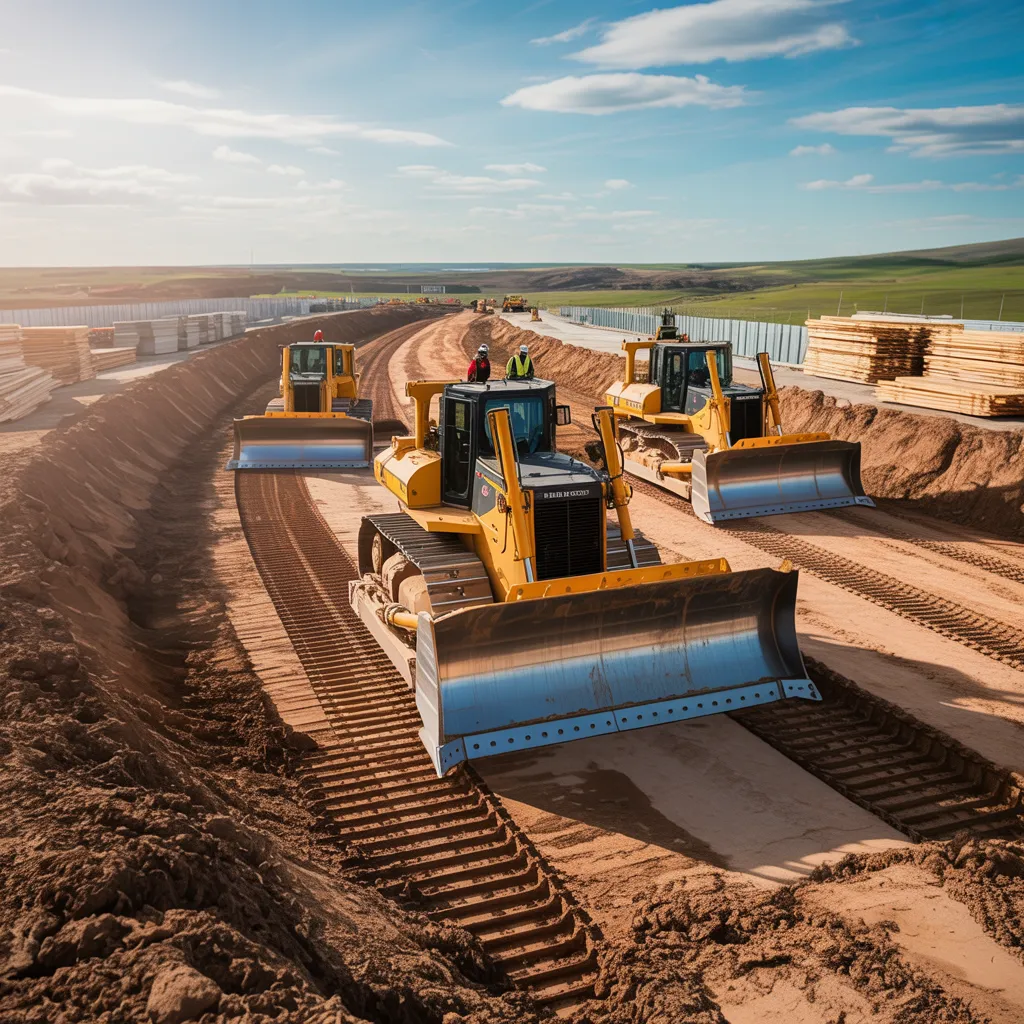
Excavation's Role in Land Development
Excavation acts as an essential factor in land development, preparing the terrain for upcoming construction projects. This process involves the extraction of soil and rock to establish a proper foundation for structures, roadways, and various infrastructure. Through precise land surveying, excavation teams can determine the required depth and quantity of material for removal, making certain that the area is properly set up for its planned application.
Furthermore, excavation serves a vital function in managing drainage, as it allows for the appropriate grading of land to eliminate water pooling. This not only shields structures from possible flood damage but also improves the site's general functionality. Additionally, excavation enables the installation of vital utility systems, such as water, gas, and electricity, by forming trenches and entry points. Ultimately, excavation is indispensable in establishing a solid foundation for successful land development, guaranteeing that following construction phases advance smoothly and effectively.
The Role of Excavation in Site Preparation
Excavation holds a fundamental importance in the site preparation process by enabling comprehensive soil evaluation, which assists in determining the appropriateness of the terrain for construction. Understanding the soil composition supports informed decisions regarding structural foundation demands and overall stability. Additionally, proper excavation work supports the development of drainage solutions, promoting efficient water handling and preventing future issues.
The Importance of Soil Assessment
Although often overlooked, soil analysis holds a vital place in site preparation, as it directly influences excavation strategies and overall project success. Understanding soil composition, stability, and moisture content allows developers to make informed decisions regarding excavation depth and methods. Distinct soil categories, such as clay, sand, or silt, exhibit varying behavior under load, influencing the stability of structural foundations. A comprehensive soil assessment can uncover underlying problems, such as contamination or insufficient load-bearing capacity, which could result in expensive setbacks if not identified promptly. By recognizing these elements, excavation services can customize their methods, ensuring effective and streamlined site readiness that aligns with project specifications. Ultimately, an in-depth soil evaluation is critical for mitigating complications and supporting a positive project result.
Stormwater System Design
A carefully planned drainage system is integral to successful site preparation, particularly following a detailed soil assessment. Proper excavation plays a vital role in this design, as it confirms that the site's topography directs water away from structures and limits erosion. During the excavation process, engineers can recognize natural water flow patterns and adjust grading to optimize drainage efficiency. Additionally, soil type and permeability are examined, informing the selection of appropriate materials for drainage solutions, such as pipes or ditches. Integrating these systems decreases the risk of water accumulation and flooding, which can jeopardize the integrity of buildings and infrastructure. Ultimately, effective drainage design fosters a stable environment, promoting successful land development and long-term sustainability.
Soil Types and Their Impact on Excavation
Various soil types significantly impact the excavation process, creating a variety of obstacles and opportunities. Clay-based soil tends to hinder excavation efforts owing to its thickness and water retention, while sandy soil often allows for easier maneuverability and drainage. In contrast, rocky terrain can pose serious obstacles, demanding advanced machinery and strategies to manage efficiently.
Challenges of Clay Soil
Clay-based soil poses many obstacles for digging projects, greatly affecting site development. Its thick and binding characteristics makes it difficult to excavate, often requiring specialized machinery and techniques. Water absorption presents another major concern; clay soil can become overly saturated, resulting in ground instability and higher excavation expenses. Additionally, the tendency of clay to expand when wet and shrink when dry complicates foundation work, raising the potential for subsidence or structural cracking in buildings erected on clay-heavy ground. Clay's poor drainage characteristics may also delay construction schedules, as contractors must manage moisture levels effectively. Overall, comprehending these difficulties is vital for guaranteeing productive excavation and land development endeavors in clay-rich locations.
Sandy Soil Benefits
While many soil types present unique challenges, sandy soil presents distinct advantages for digging projects. Its particle-based structure facilitates effective drainage, reducing the risk of water accumulation which can hinder excavation work. Such permeability supports quicker project timelines, as operators can proceed with less risk of interruptions from wet conditions. Moreover, sandy soil is relatively easy to excavate, requiring less intensive machinery and labor in contrast to denser soil types. The light composition of sandy soil also minimizes the risk of equipment becoming lodged or sinking, boosting operational productivity. Overall, these characteristics make sandy soil a preferred material for excavation, resulting in smoother land development processes and effective project completion.
Rugged Terrain Considerations
Excavation undertakings commonly present considerable difficulties when addressing rocky terrain. The existence of hard rock can create complications throughout the excavation process, demanding the use of specialized machinery such as rock drills and hydraulic hammers. Distinct rock varieties, including granite and limestone, range in hardness, influencing excavation time and costs. Additionally, the geotechnical characteristics of the rock influence stability and drainage, which are critical for successful land development. Proper site assessment is essential to determine the best excavation methods and to avoid delays. Beyond that, rocky terrain can hinder access for heavy machinery, demanding strategic planning to maintain efficiency. In the end, recognizing the implications of rocky soil types is essential for effective excavation and long-term project success.
Why Proper Drainage Matters in Excavation Projects
Proper drainage is a critical element in excavation projects, as it significantly affects the integrity and lifespan of the site being excavated. Effective drainage solutions eliminate water pooling, which can lead to structural instability, soil degradation, and foundation compromise. In the course of excavation, controlling water is vital to sustain proper soil stability, allowing for efficient compaction and stability.
Furthermore, inadequate water management can result in water accumulation, creating hazards for equipment and hindering project timelines. Implementing proper drainage systems, such as grading the terrain and laying drainage pipes, assures that water is channeled away from essential areas. This proactive approach not only safeguards valuable assets but also enhances the total safety standards of the construction site.
In addition, appropriate drainage lessens environmental damage by directing runoff, thereby preserving surrounding ecosystems. To conclude, incorporating efficient drainage solutions into excavation projects is critical for ensuring successful land development and securing long-term sustainability.
Typical Excavation Challenges and Their Solutions
Steering through the intricacies of excavation projects often introduces several obstacles that require strategic solutions. One common issue is unforeseen ground conditions, such as rocky terrain or hazardous substances, which can delay progress and inflate costs. To address this concern, thorough pre-excavation surveys and soil testing are vital for accurate planning.
An additional concern is addressing the accumulation of water, which can disrupt workflows and generate safety concerns. Implementing effective drainage systems and dewatering techniques can address this issue.
In addition, site access limitations can hinder the transport of equipment and delivery of materials. Recommended approaches include strategic site layout planning combined with the use of smaller machinery as needed.
Additionally, coordinating with utility services is essential, as unmarked lines can lead to safety risks and project delays. Collaborating with utility companies at the beginning of the project helps map out existing utility networks. By addressing these concerns proactively and implementing effective solutions, excavation contractors can enable more effective project delivery and optimal land development success.
The Link Between Excavation and Foundation Stability
Proper excavation establishes the foundation for structural stability, significantly affecting the strength and permanence of constructions. Excavation requires meticulous site preparation, involving soil extraction and leveling to secure a uniform surface. Correctly carried out excavation minimizes threats such as ground erosion and valuable resource settling, which can compromise foundation stability.
Moreover, the nature of soil found during earthwork is critically important; cohesive soils, for instance, offer distinct support characteristics when contrasted with granular soils. Structural engineers use excavation data to assess load-bearing capacity and design foundations accordingly.
Neglecting to perform proper excavation has the potential to cause structural instability, surface cracks, and eventual foundation collapse. As a result, there is a significant relationship between thorough excavation methods and the enduring integrity of a building's base. Maintaining rigorous excavation standards is fundamental to preserving the foundational strength of any construction endeavor.
Vital Excavation Services That Contribute to Project Success
Excavation services hold a vital place in the success of any land development project. Among the most important services offered, site preparation is critical, guaranteeing that the land is thoroughly cleared and graded for building purposes. Grading services are subsequently performed, improving water drainage and establishing a solid foundation base. Additionally, trenching plays a crucial role in setting up utilities such as water, electrical, and sewage infrastructure, providing the basis for all future infrastructure needs.
In addition, earthmoving services enable the elimination of surplus soil or rock, working to establish the required land contours. These services not only enhance accessibility but also promote environmental sustainability by managing soil erosion and preserving natural habitats. Finally, backfilling is critical to reclaim the land post-construction, guaranteeing stability and safety. As a whole, these excavation services form a robust foundation for productive land development, decreasing risks and maximizing efficiency during the project lifecycle.
How to Select the Top Excavation Contractor
Selecting the most suitable excavation contractor is critical for confirming that the groundwork laid during land development satisfies the project's criteria and expectations. To start, potential clients should examine the contractor's skill and background in similar projects, as a solid track record reflects reliability. Reviewing licenses and insurance is important; these credentials protect both the contractor and the client from unforeseen obligations.
In addition, obtaining various quotations allows you to assess standard rates and ensures cost-effective rates. Feedback and referrals from previous clients reveal details about the company's expertise and professional conduct. Assessing their machinery and equipment can also reveal their capacity to address individual project challenges effectively.
In conclusion, proper communication is vital; a specialist who pays attention and resolves issues fosters a collaborative environment. With these considerations in mind, clients can arrive at a knowledgeable conclusion, which ultimately results in successful land development results.
Commonly Asked Questions
What Equipment Is Typically Used in Excavation Projects?
Excavation projects commonly utilize backhoes, bulldozers, dump trucks, excavators, and skid steers. These pieces of equipment effectively displace soil, remove debris, and ready work sites, enabling effective groundwork for subsequent construction and land development activities.
How Long Does the Excavation Process Typically Take?
The digging process usually spans between a few days and several weeks, subject to project scope, soil composition, and the machinery employed. Thorough preparation and weather conditions can significantly impact the overall duration of excavation work.
Are Permits Required for Excavation Work?
Yes, permits are generally necessary for excavation activities. Regulations vary by location, but acquiring the appropriate permits confirms conformity with local ordinances, safety guidelines, and environmental considerations, which ultimately leads to smoother project completion and lowering the risk of legal problems.
What Safety Measures Are Taken During Excavation?
During digging, precautionary steps include evaluations of the site, adequate signage, personal protective equipment for workers, machinery checks, trench supports, and observation for potential dangers. These precautions aim to avoid mishaps and provide a secure environment for workers.
How Does Weather Impact Excavation Schedules?
Meteorological factors, such as snow, rain, or severe temperatures, can significantly impact excavation timelines. Saturated ground may grow unstable, while frost-hardened earth can hinder equipment, consequently delaying project finalization and elevating contractor costs.